This is the start of a series I’d like to do on how to combine 3D Printing and pottery. The idea is for people who like technology to learn something about pottery and maybe get involved doing pottery yourself. And for the people doing pottery to get inspired to experiment with new methods and learn what tools are available.
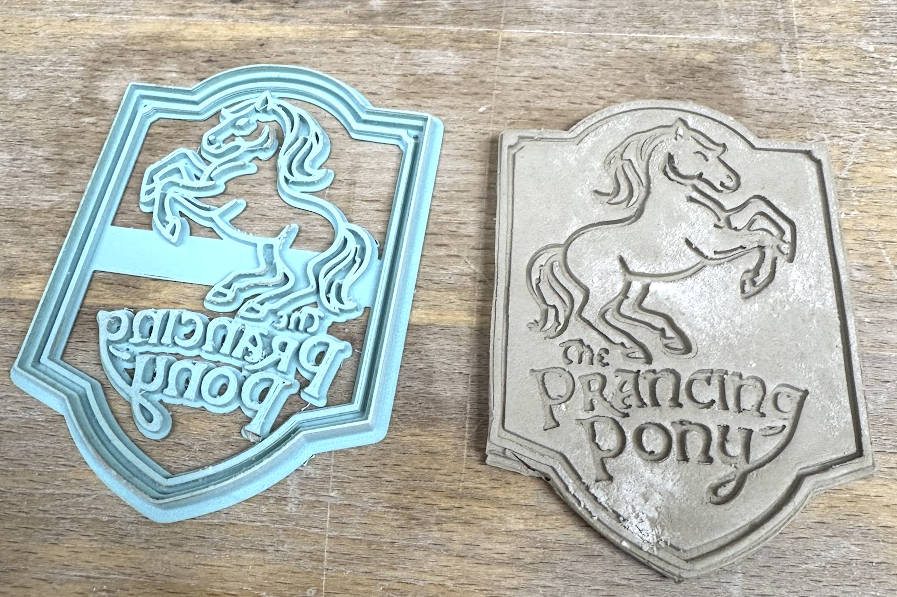
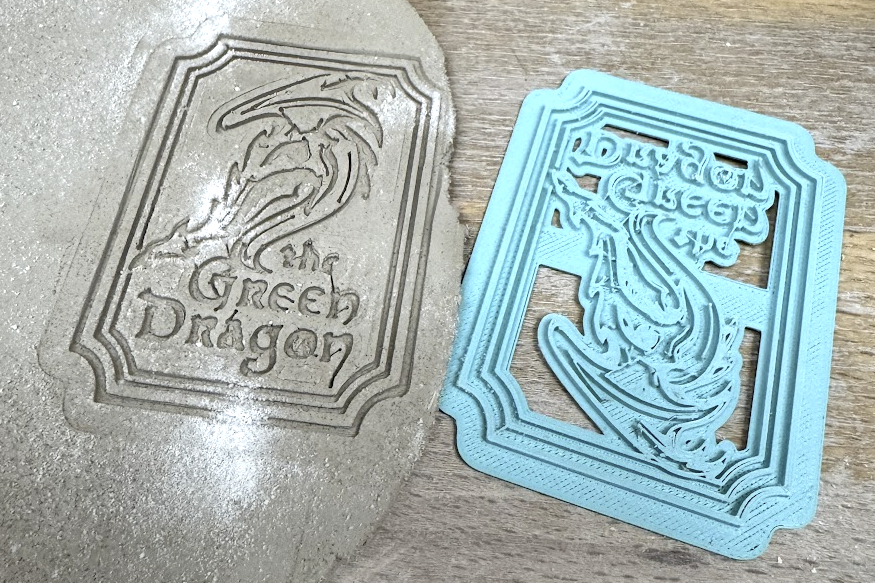
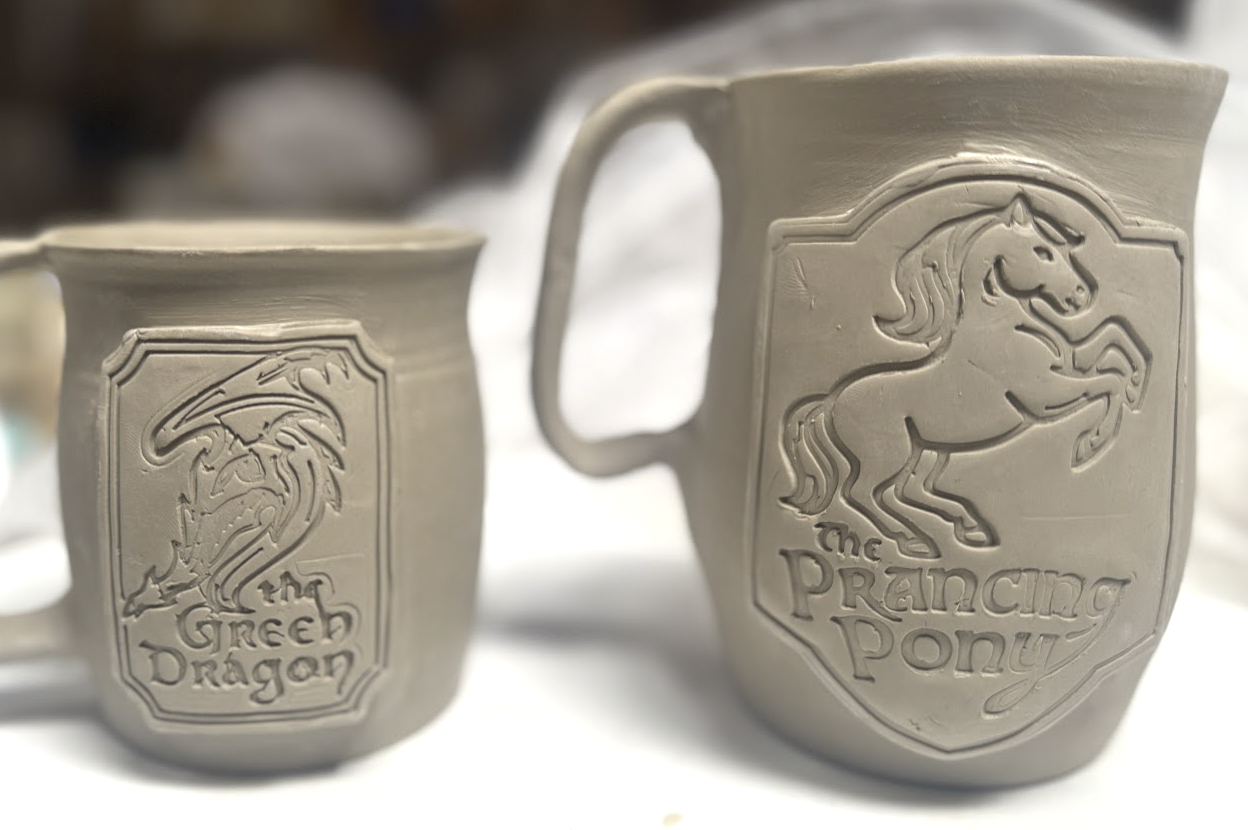
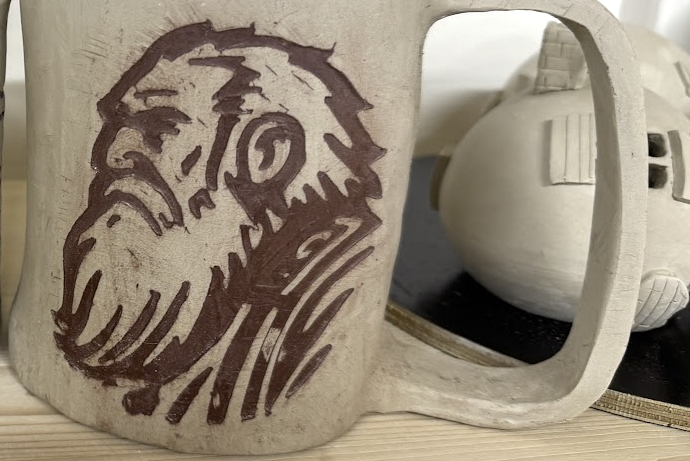
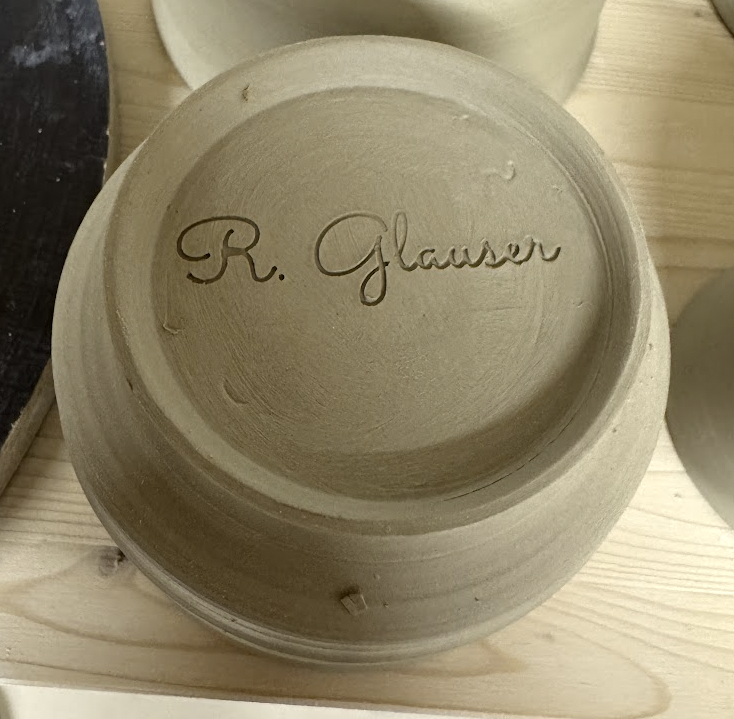
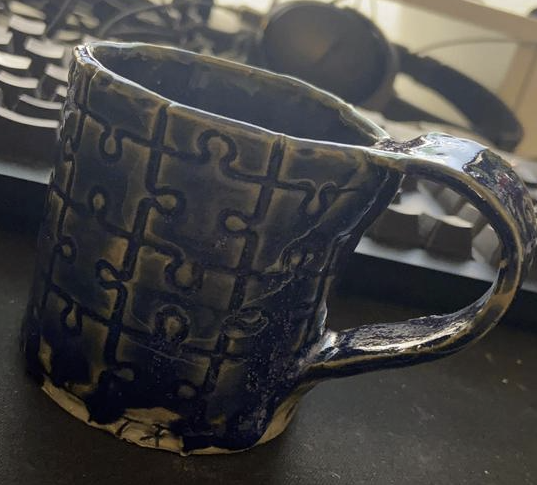
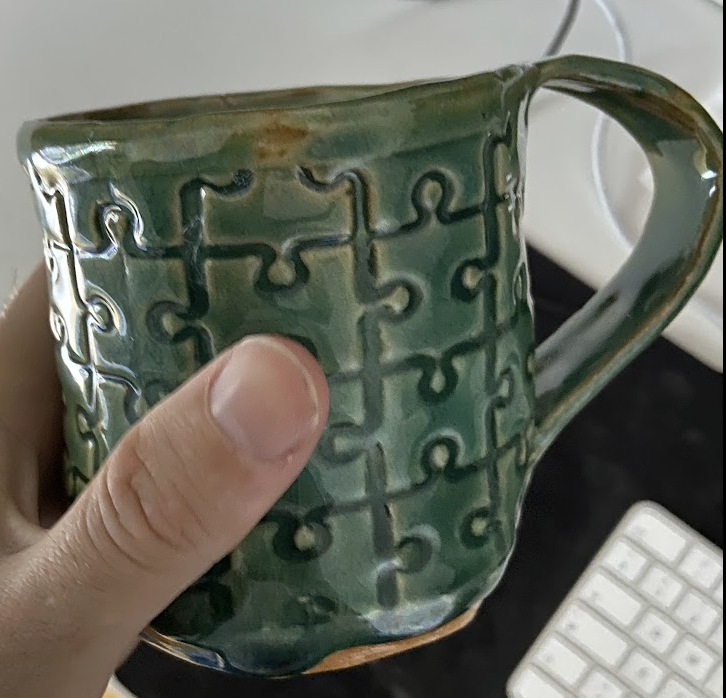
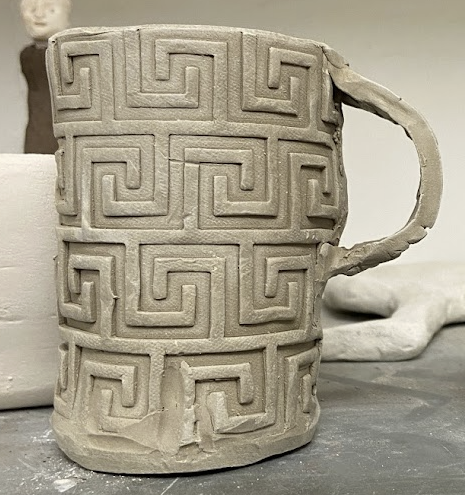
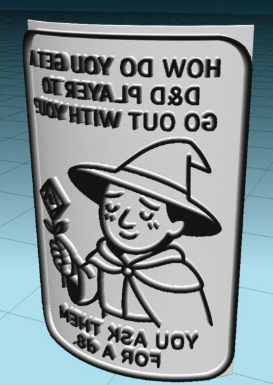
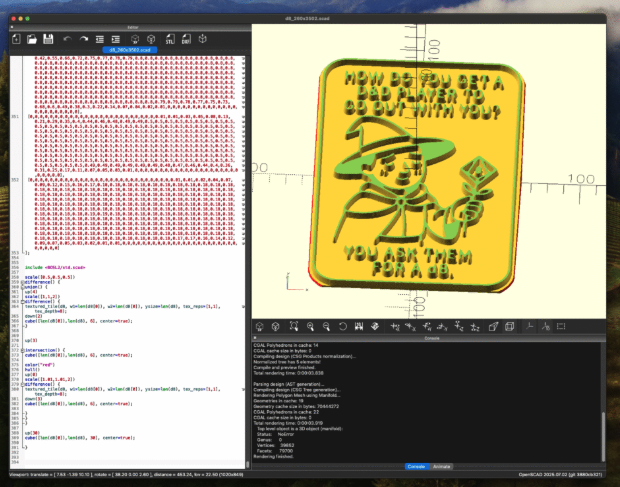
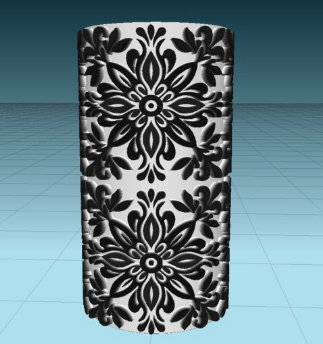
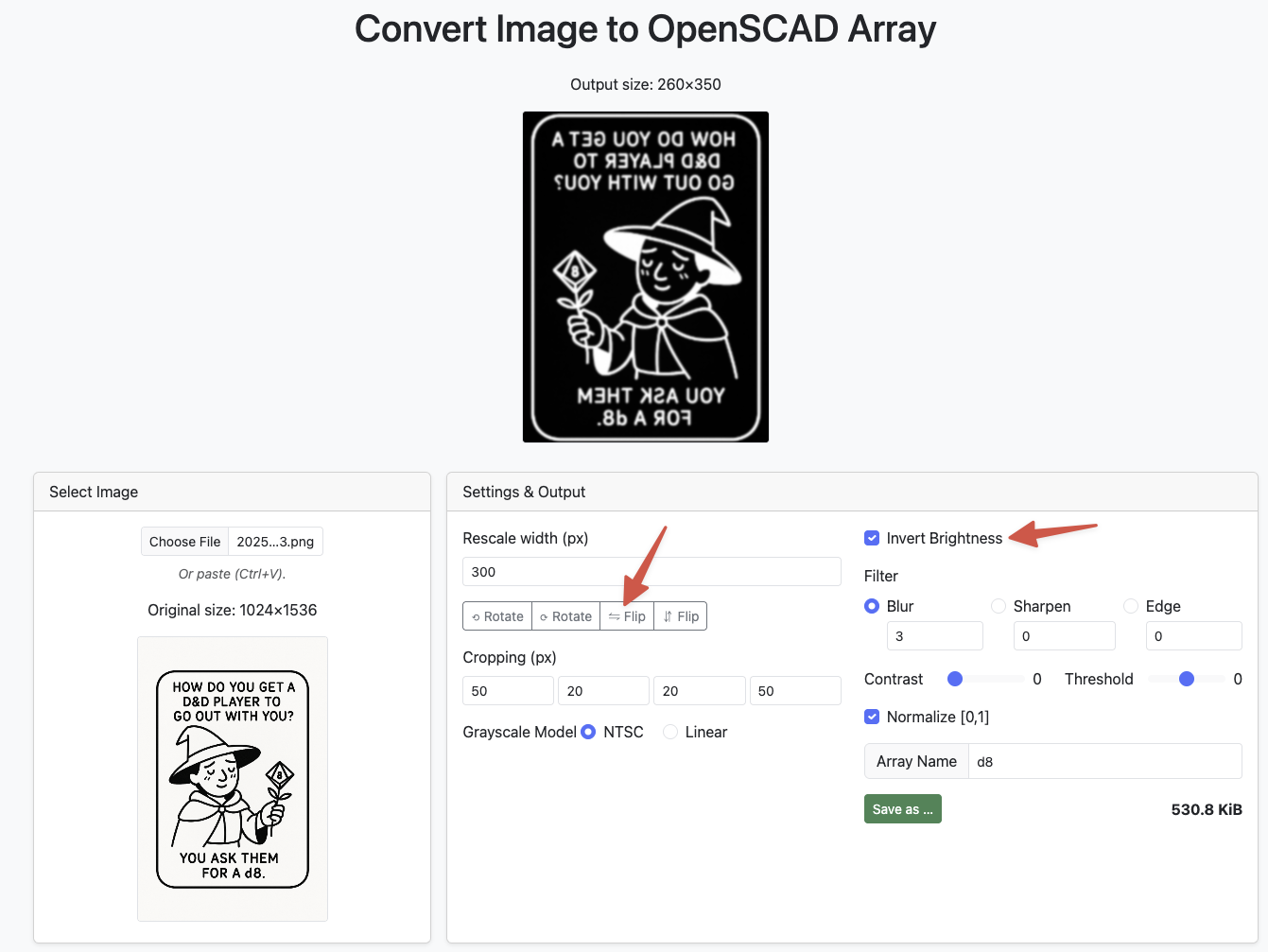
As inspiration, let’s start with a few images of some of the projects I made combining pottery and 3D printing:
Part I: Backstory (You can skip this if you don’t like reading)
When my roommate moved out, her pottery studio had a free space. I’ve had a longing to make things with my hands. My day job involved mostly creating virtual things like apps, concepts, algorithms. And these are hard to grasp with your hands and leave you empty handed at the end of the day. And also the only part of my body I move during the day are my hands. (I’ll stop with the hand jokes now)
So I signed up for the spot and started doing pottery. It wasn’t a pottery class, just an open studio, so I learned a lot by asking people, shadowing them, learning their tricks and ticks (Which later on may have made learning real pottery from actual ceramicists a bit more hard, as I had to unlearn some habits I picked up). But I looked forward to every Wednesday evening, and even got some nice mugs, bowls and other things out of it.
After a while of doing pottery and learning the basics, I had an idea: what if I combined 3D printing with pottery?
In the next articles I’ll show how I used stamps, what software I used, what hiccups might happen and hopefully some tips on how to solve the hiccups.
The currently planned parts are:
- Part I: Backstory
- Part II What 3D printer should I get?
- Part III: The computer part
- Part IV: The pottery part
- Part V: Useful things for pottery you can 3d print